How to Fix Framing-Related Wall Damage the Right Way
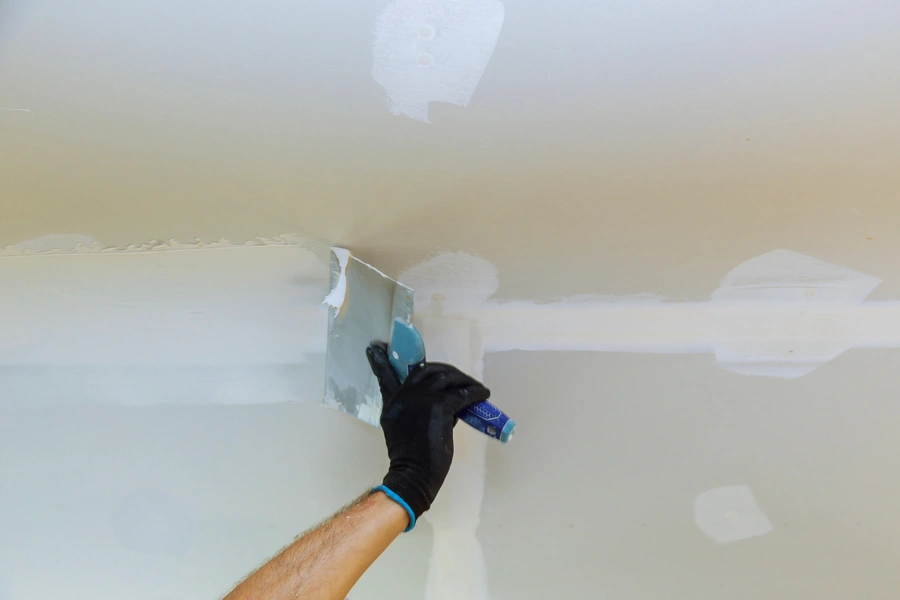
Drywall repair solutions for structural framing start with finding the root of the damage. When wall cracks, nail pops, or sagging drywall show up near studs or ceiling joists, the issue is often tied to the frame behind the surface. The fix may involve tightening loose framing, adding support blocks, or reinforcing weak areas before patching the drywall. If you only patch the surface, the cracks usually come back.
What to Check Before Starting Drywall Repair
Before you begin any drywall repair, inspect the area closely. Look for signs that the framing has shifted or pulled away. Press lightly on the damaged section. If it moves, the problem is likely behind the wall, not just on it.
Here is what you should review first:
- Check for moisture or leaks near the damage.
- Look for gaps between drywall and studs.
- Notice any doors or windows that stick nearby.
- Inspect ceilings for sagging or uneven lines.
If you see water stains or mold, fix that problem before doing any patch work. Moisture can weaken framing over time.
Step-by-Step Drywall Repair Solutions for Framing Issues
Once you confirm the framing is the cause, follow these basic steps.
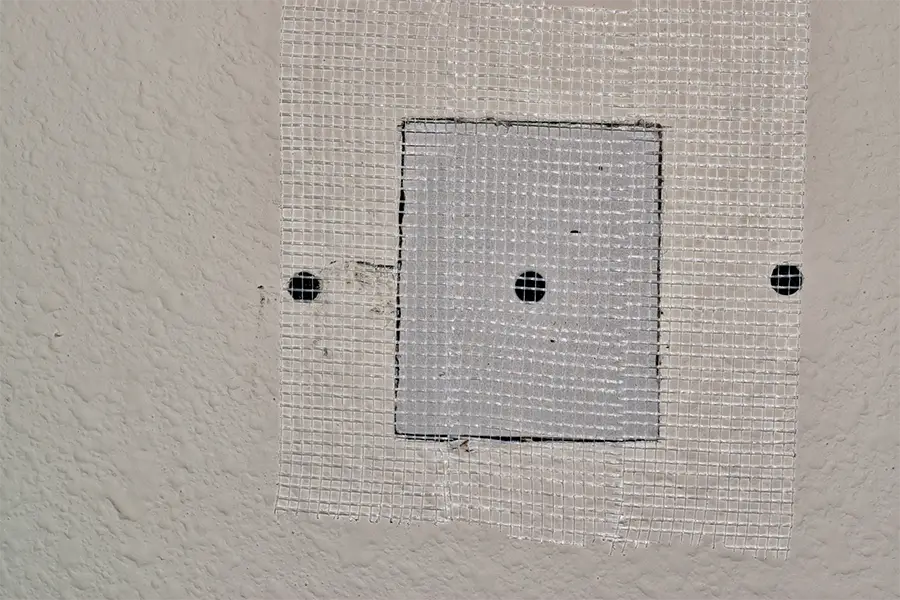
- Cut out the damaged drywall using a utility knife or drywall saw.
- Expose the studs or joists behind the wall.
- Tighten loose screws or nails in the framing.
- Add wood blocking between studs if extra support is needed.
- Replace the removed drywall with a new patch piece.
- Secure the patch with drywall screws into solid framing.
- Apply joint tape and compound over seams.
- Sand smooth after drying, then prime and paint.
Adding blocking is often the key step. This gives the new drywall edge something solid to attach to. Without that support, cracks may return.
Common Mistakes to Avoid
Many homeowners try to fix cracks with joint compound alone. This only hides the damage for a short time. If the framing shifts again, the seam will split.
Avoid these common errors:
- Skipping framing inspection before patching.
- Using too few screws when attaching drywall.
- Over-sanding and damaging the paper face.
- Ignoring signs of structural movement.
Another mistake is using nails instead of screws for repairs. Screws hold tighter and reduce the chance of future nail pops.
When Framing Damage Is More Serious
Sometimes drywall damage points to a larger structural concern. Wide horizontal cracks, large ceiling dips, or repeated movement may mean the framing itself is undersized or damaged.
In these cases, simple drywall repair will not solve the issue. A contractor may need to:
- Sister new lumber to weak studs or joists.
- Install additional bracing.
- Reinforce load-bearing sections.
- Correct improper spacing between framing members.
After the frame is stable, drywall repair can be completed with confidence.
When to Call a Professional
Small cracks and minor nail pops are manageable for many homeowners. But if you notice repeated damage in the same spot, it is time for a deeper look.
You should reach out for help if:
- The ceiling is sagging.
- Cracks are wider than one eighth inch.
- Doors and windows shift near the damage.
- You suspect settling or structural stress.
Professionals can trace the cause and provide lasting drywall repair solutions rather than surface patches.
Get Reliable Help for Framing-Related Wall Damage
If your home in Roosevelt, UT has recurring cracks or sagging walls, we can help find the cause and fix it the right way. At Tavo's Construction, our team handles framing corrections and drywall repair using proven methods that last. Call (801) 702-6740 to schedule an inspection and let us restore your walls safely and securely.